

Over the past decade, software—particularly SaaS—has been one of the primary beneficiaries of the rapid expansion of private credit. Predictable revenues, high margins, and scalable business models made software companies an ideal fit for non-dilutive financing structures.
However, recent months have revealed early signs of stress in this segment. While not a systemic crisis, the combination of tighter financial conditions, normalization of growth, and more disciplined underwriting is exposing structural weaknesses in how private credit has been deployed in software.
For investors and operators alike, understanding these dynamics is becoming increasingly critical.
What Changed: From Growth Premium to Cash Discipline
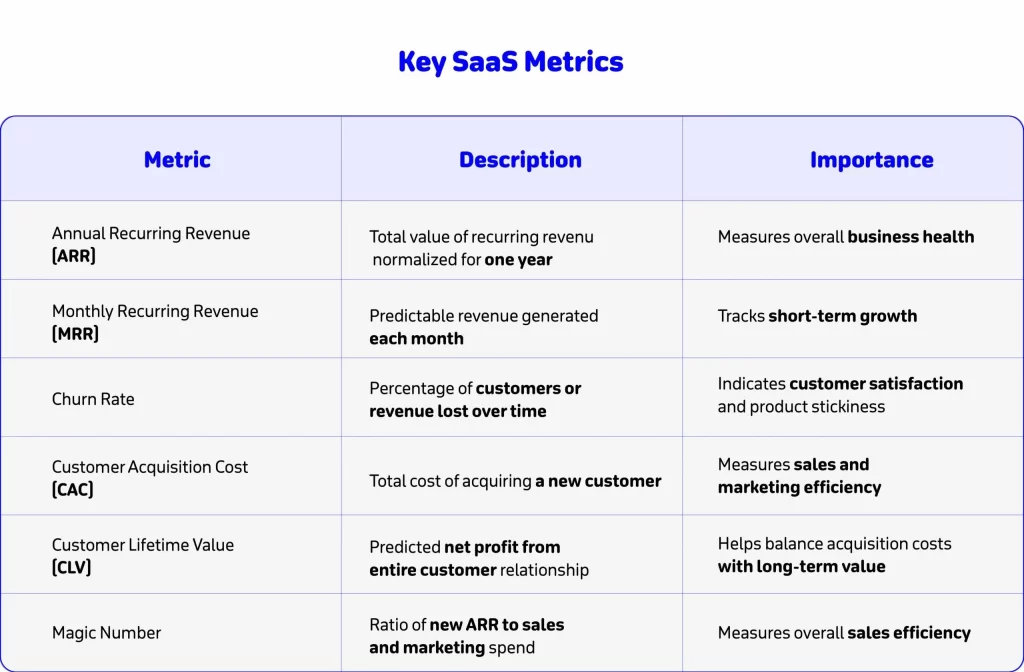
During the low-rate environment, private credit funds increasingly financed software businesses based on forward-looking metrics—primarily ARR (Annual Recurring Revenue) growth and retention profiles.
Typical underwriting assumptions included:
- Sustained high growth rates (often >30%)
- Strong net revenue retention (NRR >110%)
- Continuous access to follow-on capital
Today, these assumptions are being tested.
Growth has normalized across many SaaS segments, customer acquisition costs have increased, and capital is no longer as readily available. As a result, lenders are shifting focus from growth metrics to cash flow resilience and downside protection. This shift is at the core of the current tension in private credit-backed software companies.
Where the Pressure Is Appearing
1. Overreliance on “Quality of ARR”
Not all ARR is equal. In several recent cases, lenders relied heavily on headline ARR figures without fully stress-testing their quality.
Key issues include:
- High concentration in a limited number of customers
- Contractual ARR vs. actual cash collections
- Revenue supported by discounts or short-term incentives
When growth slows, these weaknesses become visible quickly, affecting both valuation and debt capacity.
2. Aggressive Leverage Based on Forward Metrics
In a competitive lending environment, leverage levels were often calibrated using forward ARR multiples rather than current profitability.
A simplified framework used in many transactions:
- Debt = x% of forward ARR
- Assumed future margin expansion
- Implicit refinancing at higher scale
This structure works in a high-growth scenario, but becomes fragile when:
- Growth underperforms
- Margins take longer to expand
- Refinancing conditions tighten
3. Covenant Structures Not Designed for Volatility
Many deals included covenant-lite or growth-adjusted covenants, such as:
- Minimum ARR growth thresholds
- Adjusted EBITDA definitions with significant add-backs
While flexible in theory, these structures can delay early warning signals. When breaches finally occur, the situation is often more severe.
4. Refinancing Risk
Private credit strategies often assume a refinance or recapitalization event within a defined horizon.
Current challenges include:
- Lower valuation multiples
- More selective lenders
- Increased cost of capital
This creates a mismatch between initial underwriting assumptions and current market reality.
A Practical Framework to Reassess Software Credit Risk
To navigate this environment, both investors and operators can benefit from a more structured approach to evaluating software credit exposure.
1. Revenue Quality Assessment
Focus on durability, not just scale:
- Customer concentration
- Contract length and renewal visibility
- Churn and downgrade patterns
Cash vs. accrued revenue
2. Unit Economics and Efficiency
Shift from growth to efficiency:
- Customer Acquisition Cost (CAC) payback
- Gross margin stability
- Sales efficiency trends
3. Cash Flow Conversion
Evaluate the bridge from ARR to cash:
- EBITDA vs. cash flow divergence
- Working capital dynamics
- Capitalized costs (e.g., R&D, commissions)
4. Leverage Sustainability
Stress-test capital structure:
- Debt / ARR vs. Debt / EBITDA
- Sensitivity to growth deceleration
- Interest coverage under downside scenarios
5. Refinancing Viability
Assess realistic exit paths:
- Current market multiples
- Comparable transactions
- Lender appetite for the asset class
Red Flags Checklist
Based on recent transactions and market developments, several warning signs are becoming increasingly relevant:
- Rapid ARR growth with declining cash collections
- High reliance on top 5 customers
- Significant EBITDA adjustments masking negative cash flow
- CAC payback periods extending beyond 24–30 months
- Debt sized on aggressive forward projections
- Lack of clear refinancing visibility within 12–24 months
- Increasing churn or contraction in key cohorts
- Heavy use of short-term pricing incentives
Identifying these factors early can materially change investment outcomes.
What This Means Going Forward
Rather than signaling a structural breakdown, current conditions are driving a re-pricing of risk and a normalization of underwriting standards in private credit for software.
We are likely to see:
- More conservative leverage levels
- Greater emphasis on cash flow metrics
- Tighter covenant structures
- Increased differentiation between high-quality and marginal SaaS assets
For disciplined investors and well-positioned companies, this environment may ultimately create better opportunities—with more sustainable capital structures.
Final Thoughts
The intersection of private credit and software remains a compelling space. However, it is evolving rapidly, and success increasingly depends on the ability to distinguish between growth narratives and financial fundamentals.
Robust financial analysis, realistic assumptions, and rigorous scenario modeling are no longer optional—they are essential.
How We Can Help
At Kea Advisory, we help investors, founders, and operators build robust financial models, assess credit risk, and make better-informed strategic decisions.
If you are evaluating a transaction, reviewing an existing investment, or preparing for refinancing, we would be happy to support you.